There’s a lot of noise out there about “the youth of today.” If you scroll through LinkedIn or tune into a business podcast, you’ll likely hear terms like “quiet quitting,” “snowflake culture,” or the dreaded “job hopping.” For many business owners across Staffordshire, the idea of hiring someone from Gen Z, or even preparing for the arrival of Gen Alpha, can feel a bit like stepping into a minefield.
But here’s the truth: the generational divide isn’t a wall; it’s a gap that can be bridged with a little bit of understanding and a few strategic tweaks.
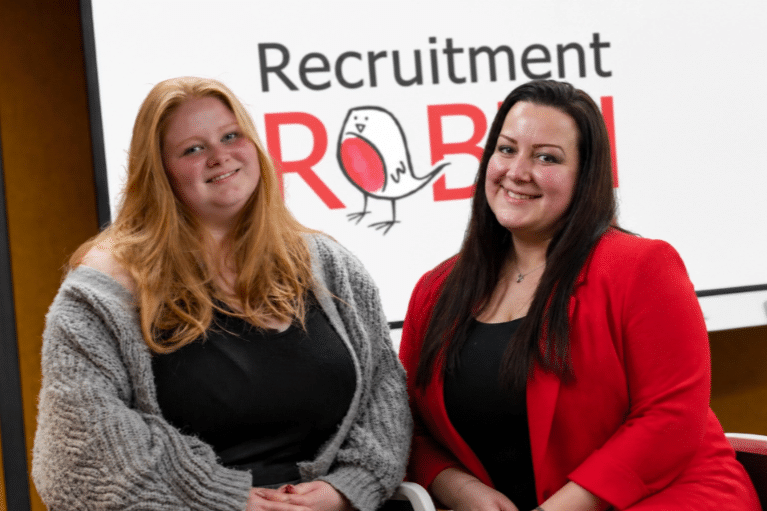
Recently, our MD, Selina Rudzik, joined forces with Lyndsey Cherry (Head of Engagements & Partnerships at NSCG) and Jo Cotton (Coach at Jo Cotton Associates Limited) for a Positive HR Forum session. Speaking to a packed room of over 50 local HR professionals, people managers, and business leaders, the disconnect between perception and reality was tackled. The consensus? Shifting the focus to better communication, clearer progression, and respectful leadership creates a measurable, positive impact for everyone involved.
To provide live data and fresh insights for the Positive HR Forum, we conducted our own survey research specifically for the event. Drawing on responses from 167 students currently studying at NSCG, we got straight to the heart of what young people actually want from their employers (you can view the full survey results here).
Debunking the “Lazy” Label
One of the most persistent myths is that young people are inherently lazy or lack a work ethic. Our survey told a different story. In fact, 37% of young people feel they are unfairly seen as lazy simply because they value work-life balance.
This isn’t about avoiding hard work; it’s about working smarter. Gen Z and Alpha have grown up in a world that is always “on.” They’ve seen the burnout of previous generations and are choosing a different path: one where productivity isn’t measured by how many hours you sit at a desk, but by the impact of your output.
It is reported that businesses finding the most success are those that offer flexibility. Whether it’s hybrid working or flexible start times, showing that you respect their personal time goes a long way. According to ACAS guidance on flexible working, providing clear boundaries and support for work-life balance is a key driver for modern employee engagement.

The Stability Seekers
Another common misconception is that young workers are ready to jump ship at the first sign of a better offer. We often hear that local firms are worried about investing in training only for the employee to leave.
However, our survey revealed that 50% of young people are actually looking for stable, long-term roles with clear progression. They aren’t looking for a “gig”; they are looking for a career. The reason they move on often isn’t a lack of loyalty, it’s a lack of growth. If they can’t see where they’ll be in two years within a company, they’ll find a company that shows them the map.
Respect: The Number One Priority
If there is one statistic from our survey that every employer in Staffordshire needs to stick on their office wall, it’s this: 45% of young people say their top priority is simply to be treated with respect and not looked down on.
It sounds basic, doesn’t it? But for a generation that is often the subject of “back in my day” lectures, being treated as an equal adult from day one is transformative. They don’t want to be “managed”; they want to be mentored. They want their ideas to be heard, even if they’ve only been in the role for a week.

A New Language of Leadership
The way we communicate has shifted dramatically. If you are still relying solely on long, formal emails or “surprise” phone calls, you might be losing your younger staff.
Our survey found that:
- 54% prefer instant messaging (like Microsoft Teams or WhatsApp) for quick help and check-ins.
- 43% prefer a friendly, informal tone in professional communications.
- 42% expect feedback on a weekly basis.
This generation thrives on “bite-sized” communication. They don’t want to wait for an annual review to find out how they are doing. They want to know now, so they can improve now. Regular, informal feedback loops build confidence and ensure that small issues don’t turn into resignation letters.
If you’d like to explore the full findings in your own time, you can view the survey results here.
The High Cost of Poor Management
The stakes are high. Our data shows that 26% of young workers leave their roles within the first 12 months due to poor management. In a tight labour market, that is a cost most businesses cannot afford. When you factor in recruitment fees, advertising, and the time spent training a replacement, the financial impact is significant.

4 Practical Tips for Staffordshire Employers
Ready to make your business a magnet for the next generation? Here are four steps you can take today:
- Treat them like adults from day one: Focus on their potential and give them ownership of specific tasks early on.
- Set clear expectations but keep it friendly: Use the platforms they are comfortable with. A quick WhatsApp message to say “Great job on that report” can be more impactful than a formal letter.
- Provide regular, bite-sized feedback: Don’t wait for the formal one-to-one, aim for weekly “pulse checks” to see how they are feeling and where they might need a bit of extra support.
- Show the path: Be transparent about what they need to achieve to reach the next level. If they can see a future with you, they are much more likely to stay and help you build it.
Future-Proofing Your Business
Gen Alpha is right behind Gen Z. They will be even more digitally native, even more focused on social impact, and even less tolerant of traditional, rigid hierarchies. By bridging the gap now with Gen Z, you are laying the groundwork for the future of your company.
Hiring young people isn’t a challenge to be “dealt with”, it’s an opportunity to be seized.
If you’re interested in exploring young talent or hosting a work placement, let’s have a chat. We’ll discuss the opportunities you may have available, identify where a work experience student could add value to your business, and share this information with our NSCG partners to help you find the right match.
Let’s stop talking about the generational divide and start building the bridge.